
Royal Dental · Mumbai and Jaipur
Plan Your Dental Trip To India
Share your earliest arrival and latest departure. Agree which visits need to happen in person and what may change before booking travel you cannot move.
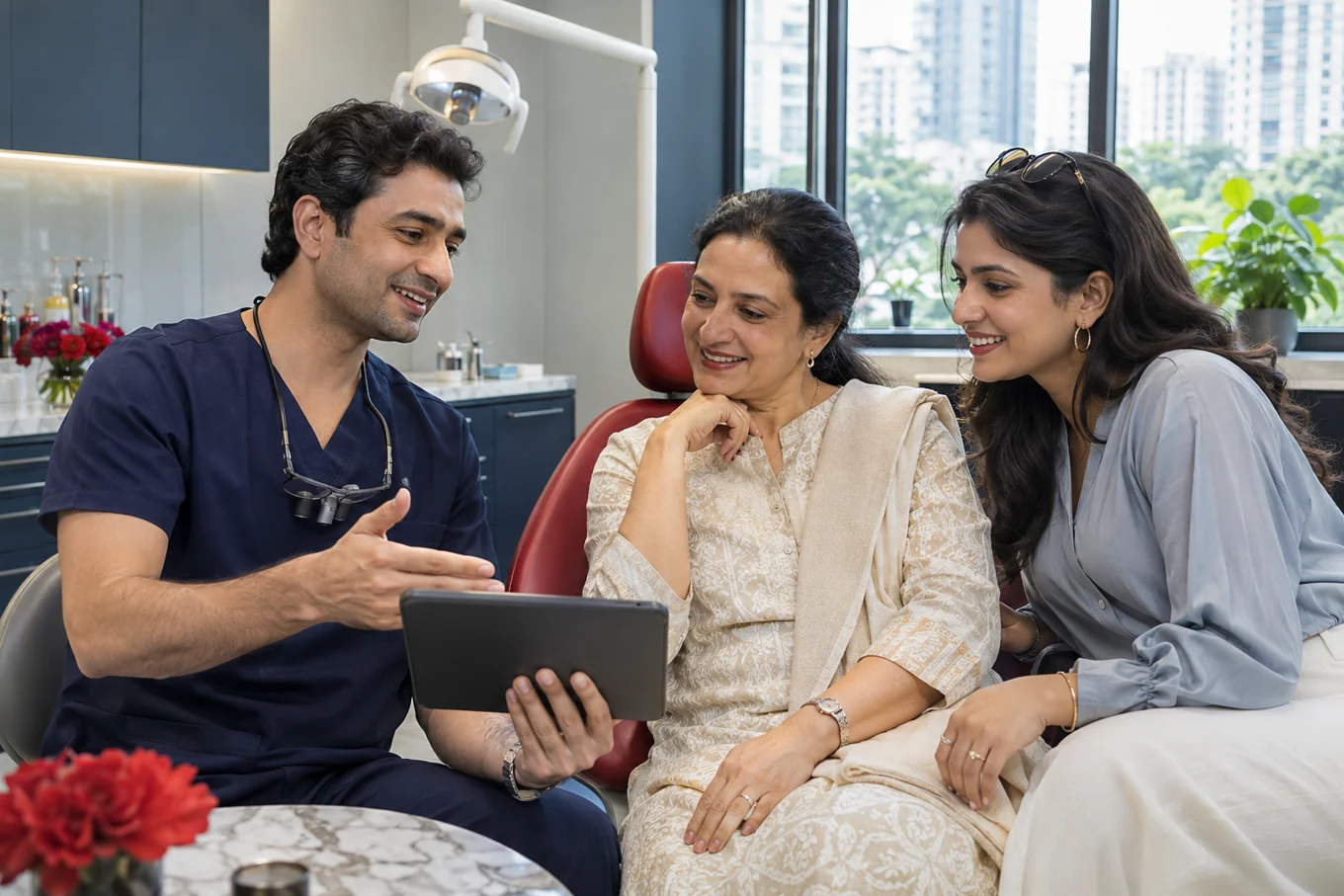
Start planning your dental visit
Share the country you are travelling from and your likely dates. Tell us whether you want help with treatment scheduling, accommodation or transfers.
Quick enquiry
Open form in a new tabStart planning your dental visit
Share the country you are travelling from and your likely dates. Tell us whether you want help with treatment scheduling, accommodation or transfers.
Start with your records and travel window
Send your main concern, country of residence, preferred city if known, and possible arrival and departure dates. Include recent X-rays, a treatment recommendation or an estimate if you have them. An online consultation can help review what is known and identify what needs confirmation. Your detailed records should be shared through the case form or an agreed route.
Receive the written plan and estimate
Royal Dental provides one written treatment plan with an itemised estimate and timelines. Ask what it assumes, which appointments must happen in India and whether a later trip is possible. If the final plan depends on examination or imaging, ask which dates you should keep flexible. Confirm the agreed sequence before committing to travel.
Arrival assessment treatment and departure
- Before departure · Share available records and ask which dates the clinic can confirm.
- Arrival and assessment · Keep time for the clinician to check the plan, including any imaging needed.
- Treatment and fitting · Ask which steps can happen together and what could move.
- Before leaving the treating city · Ask whether you need a review and when your clinician advises onward travel.
Visa information and clinic letters
Check the official Indian visa portal or the relevant Indian mission for the requirements that apply to your passport and circumstances. If you need clinic information or an appointment letter, ask your hospitality guide what Royal Dental can provide. A companion should confirm their own entry requirements. Match the travel dates to the clinical plan before submitting a request for documentation.
Stay transport and food preferences
The hospitality guide can discuss transport, accommodation and food arrangements near the treating centre. Tell the team about accessibility, a companion, dietary preferences and any need to stay close to the clinic. Ask what is arranged through the clinic and what you book directly. Request the costs and cancellation terms for optional services.
Case Studies
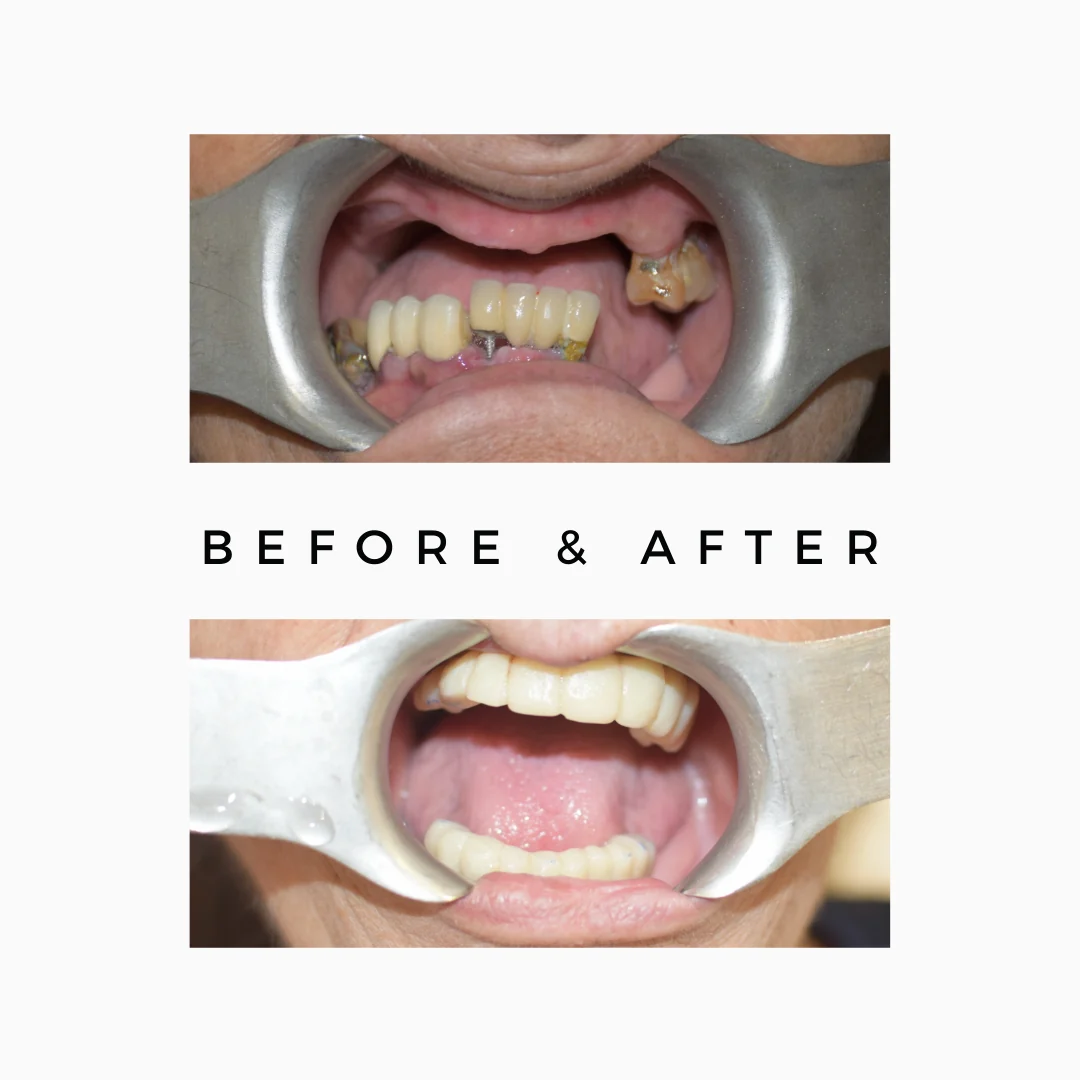
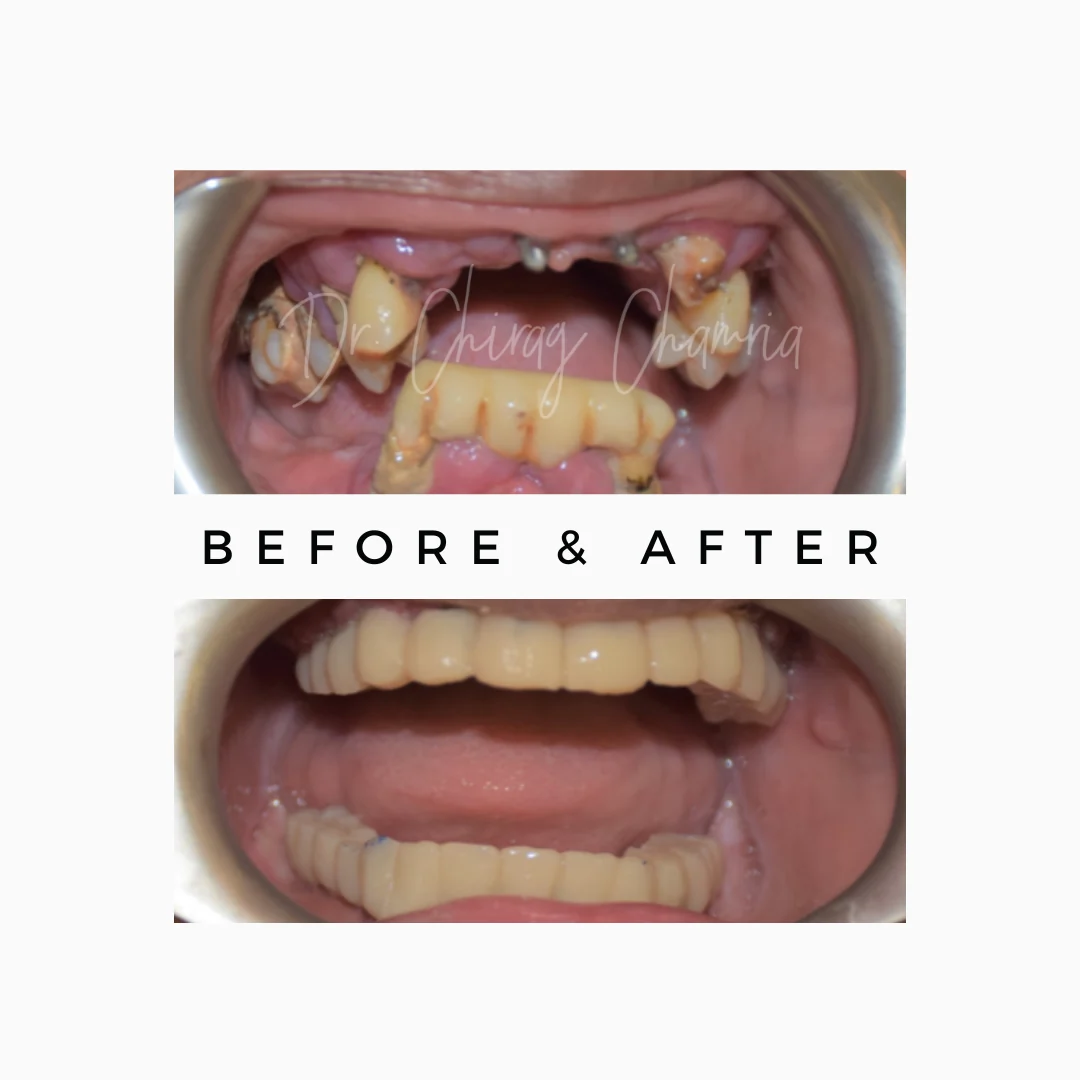
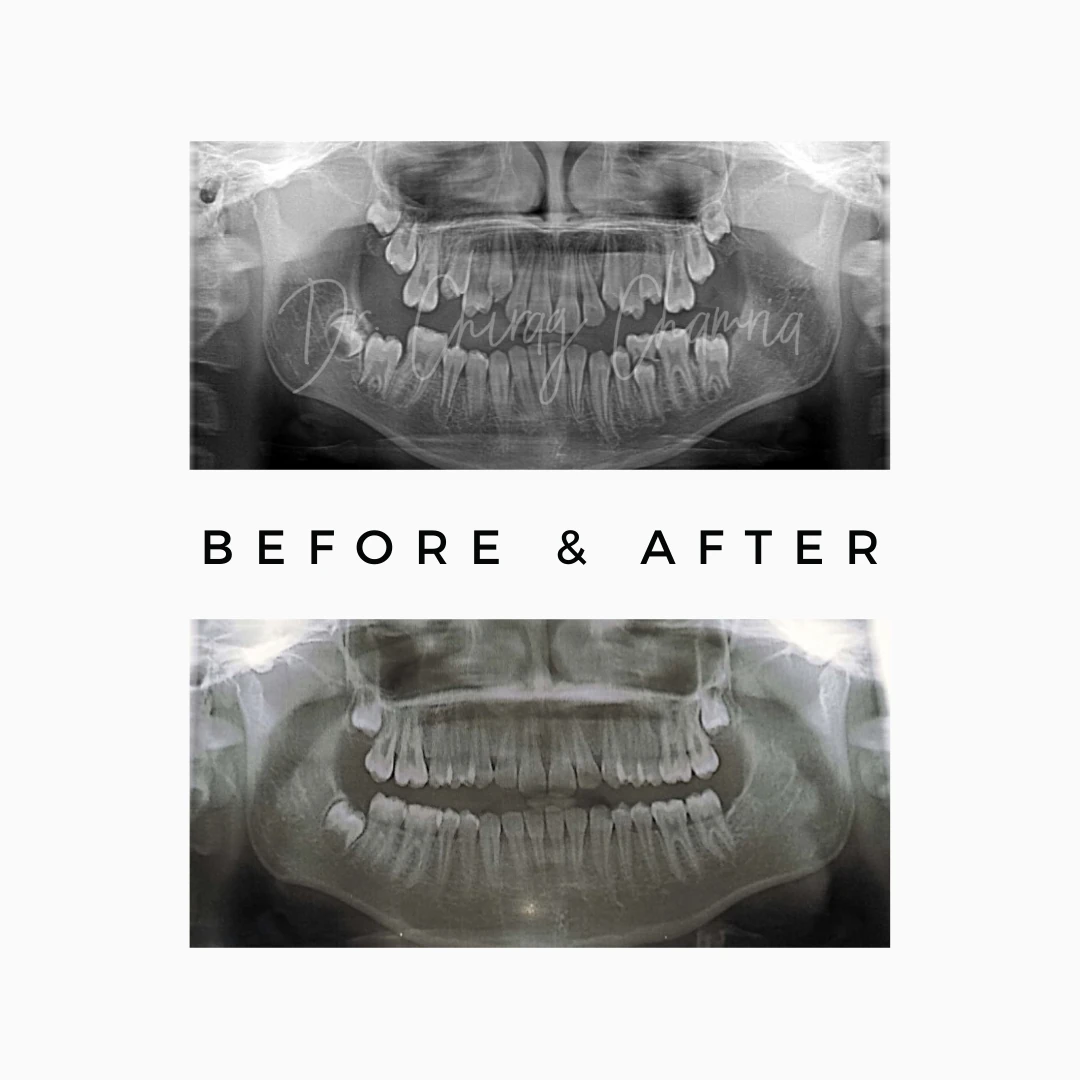
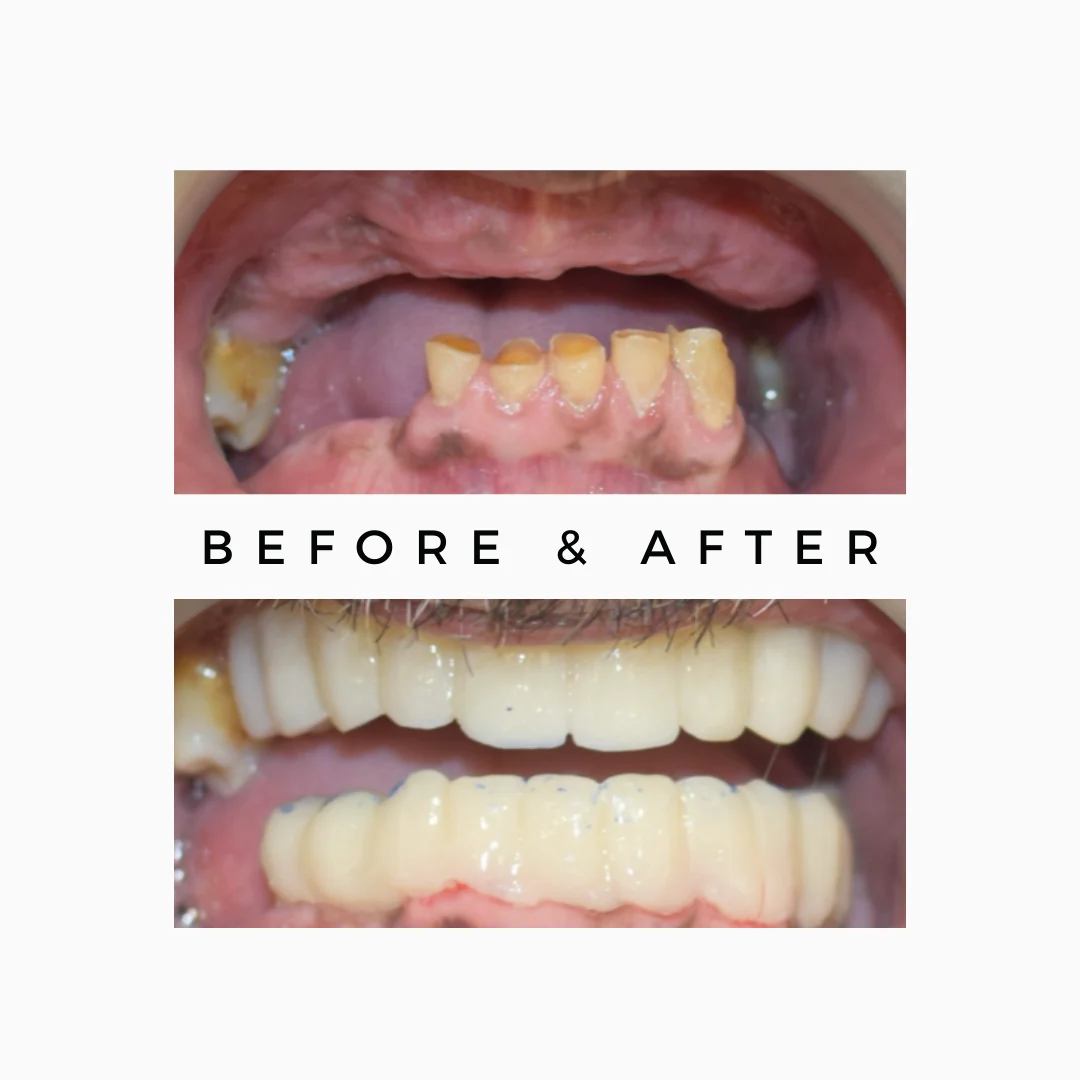
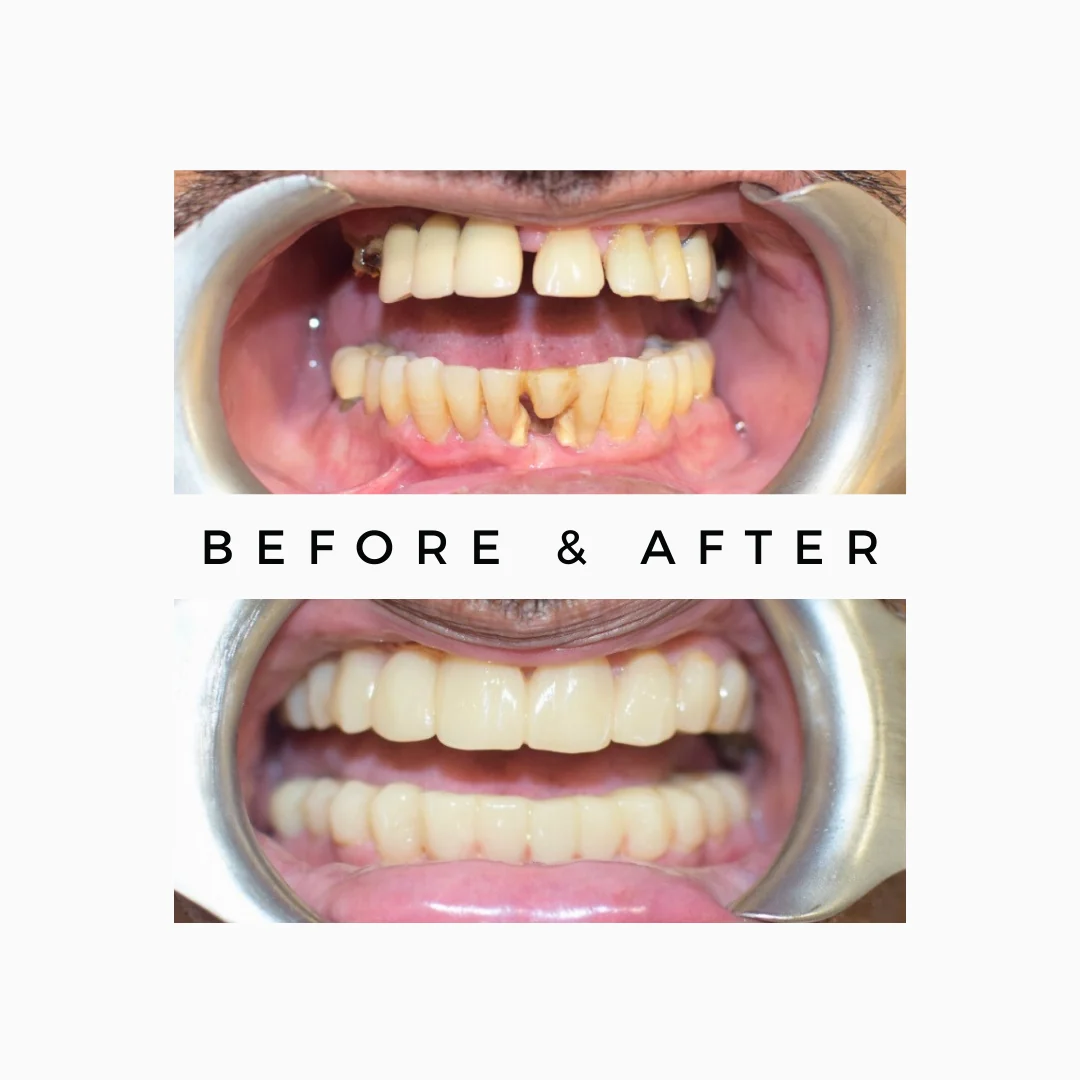
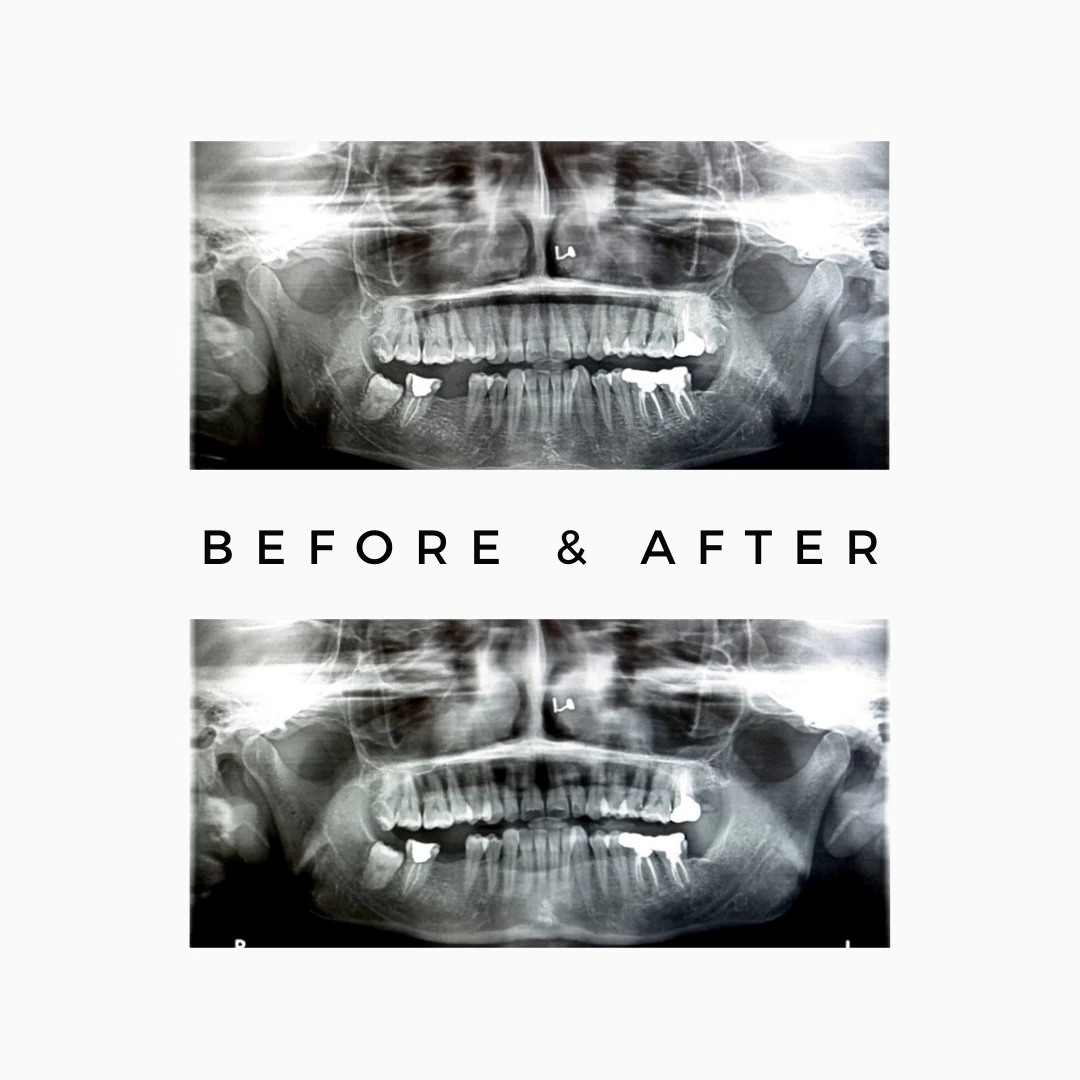
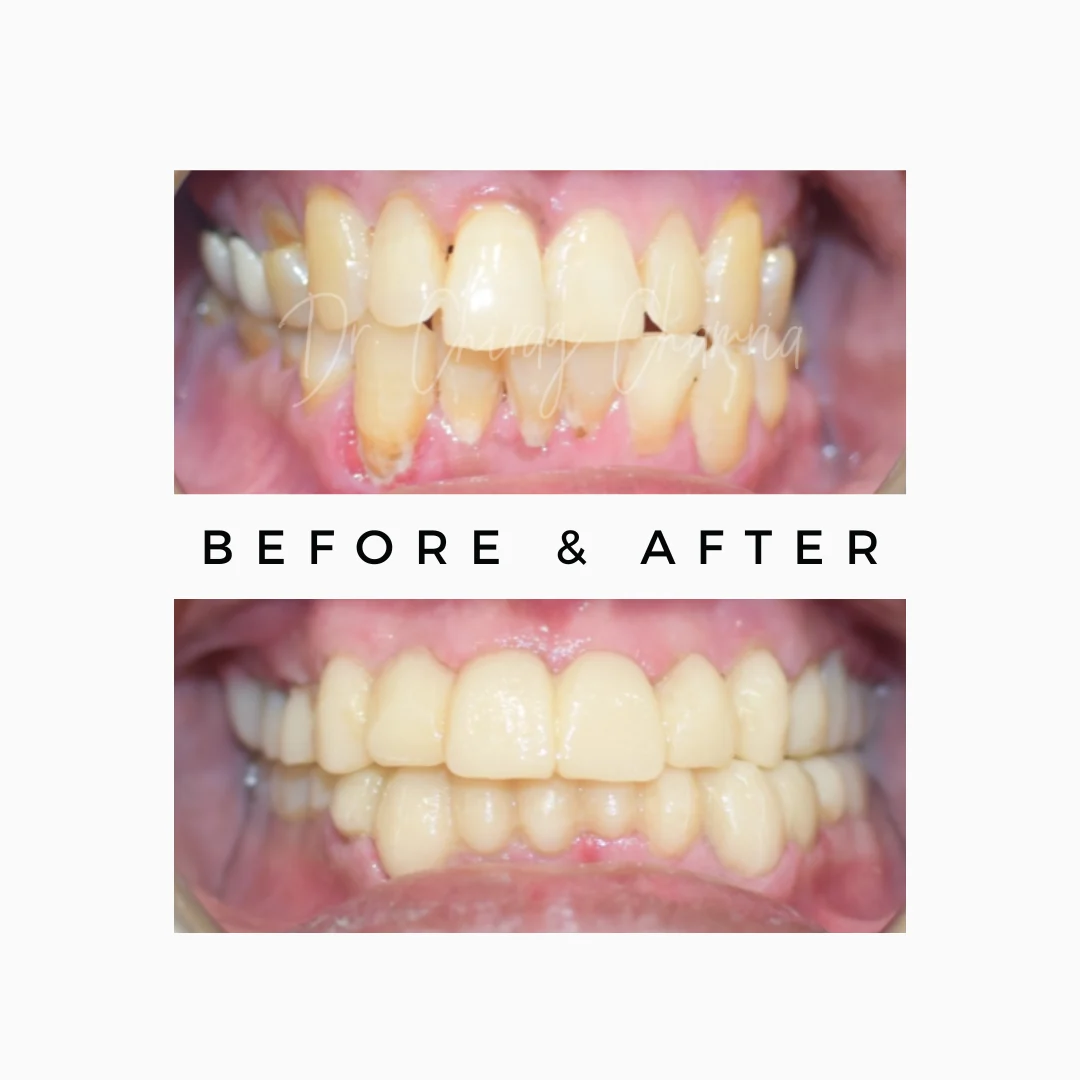
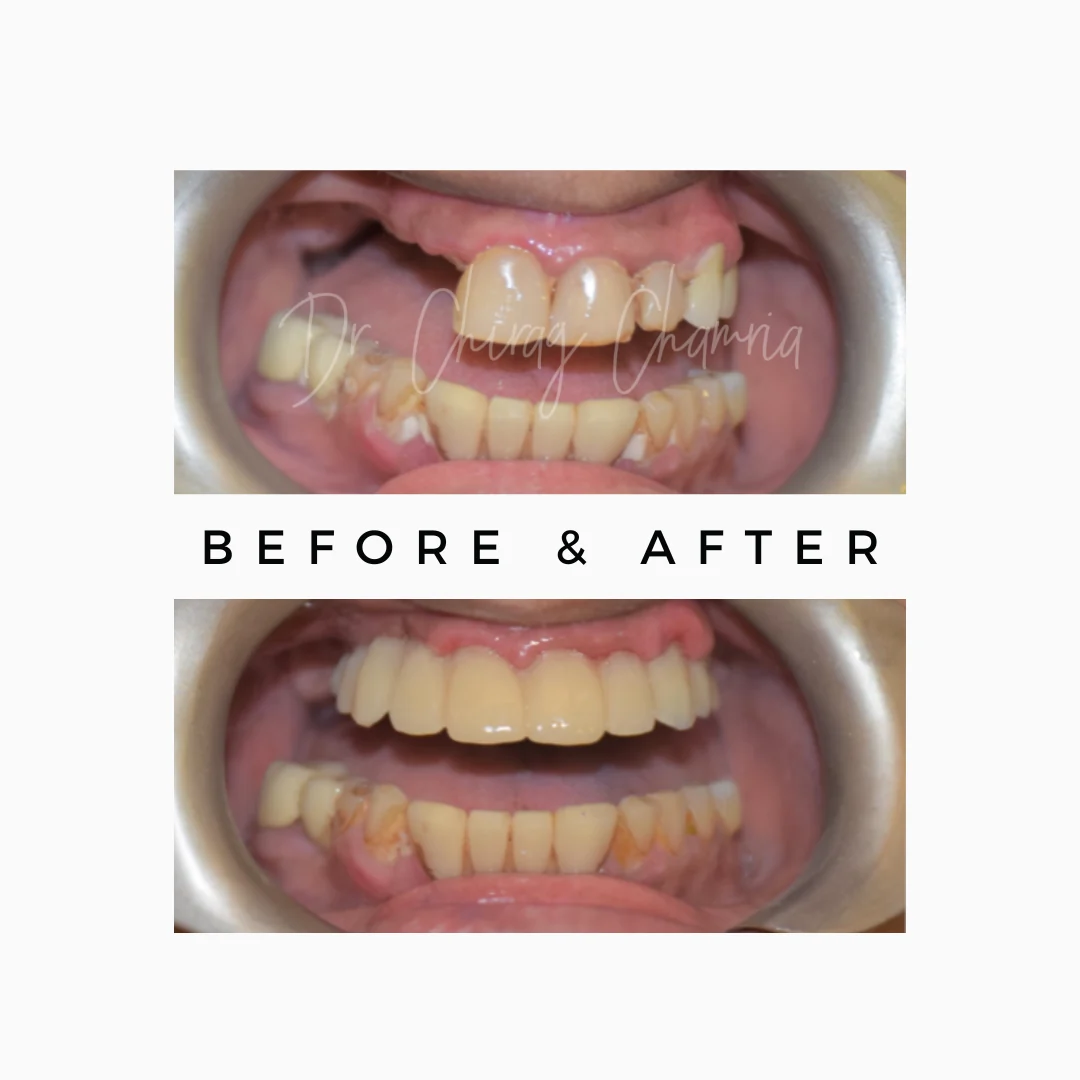
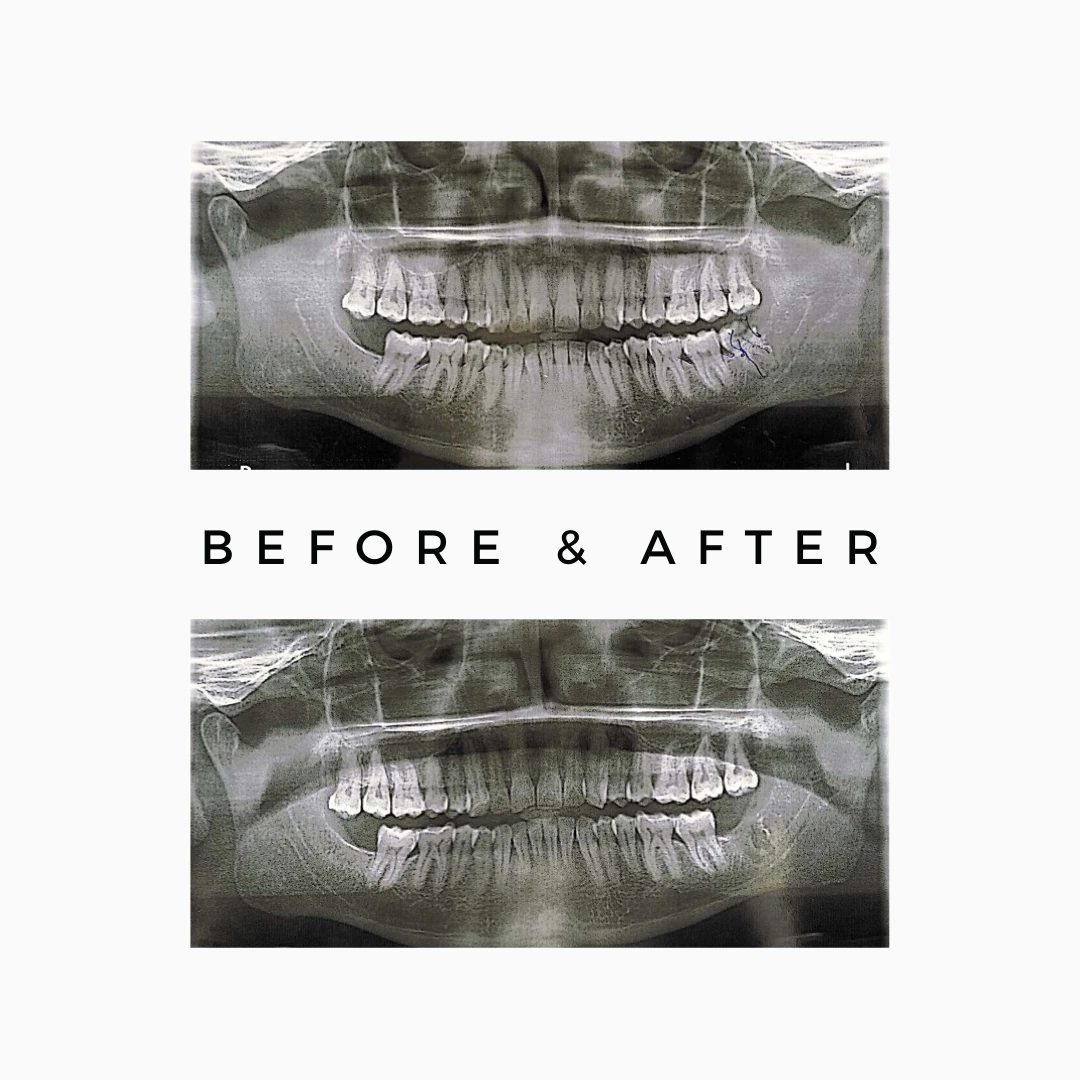
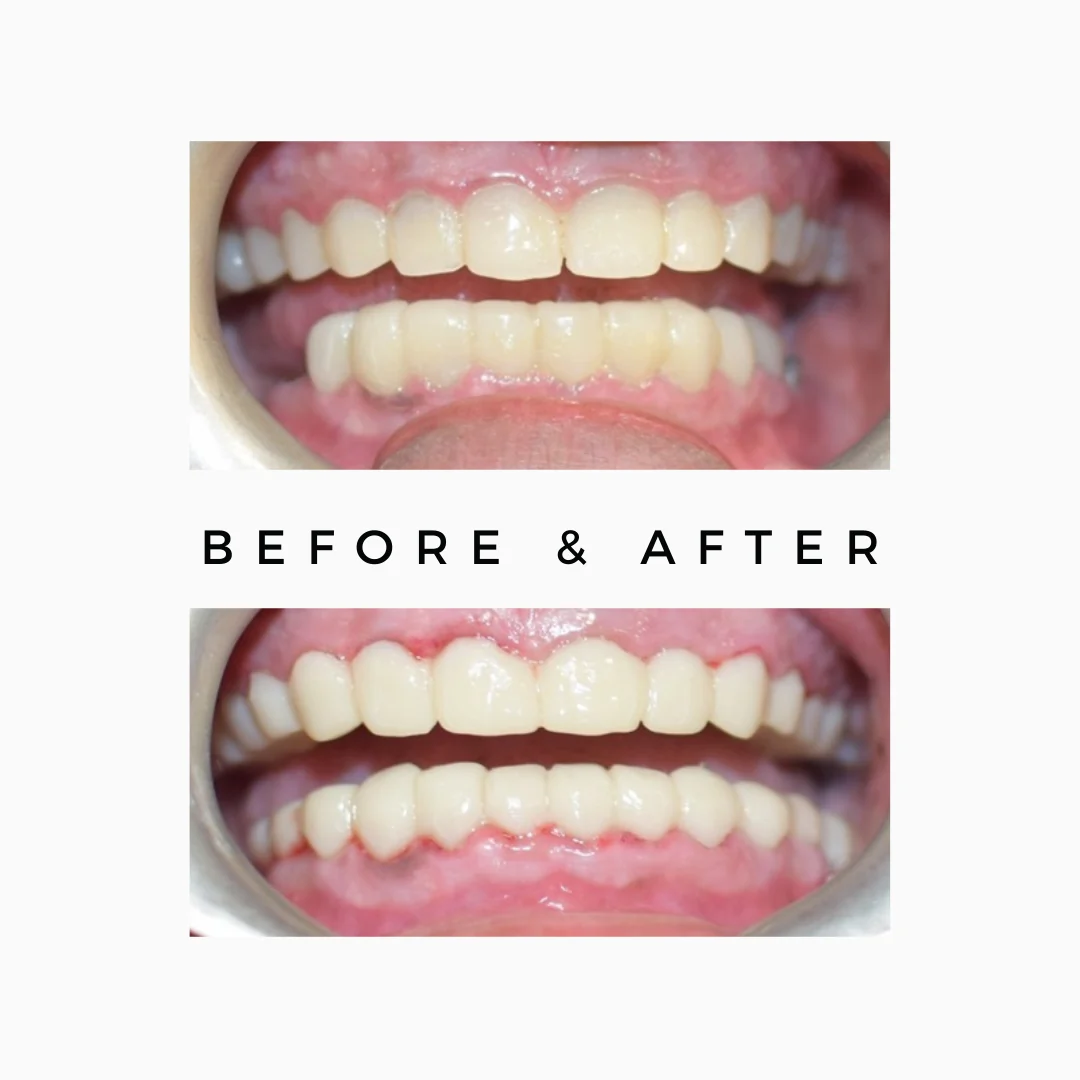
Testimonials
Choose Mumbai or Jaipur around the plan
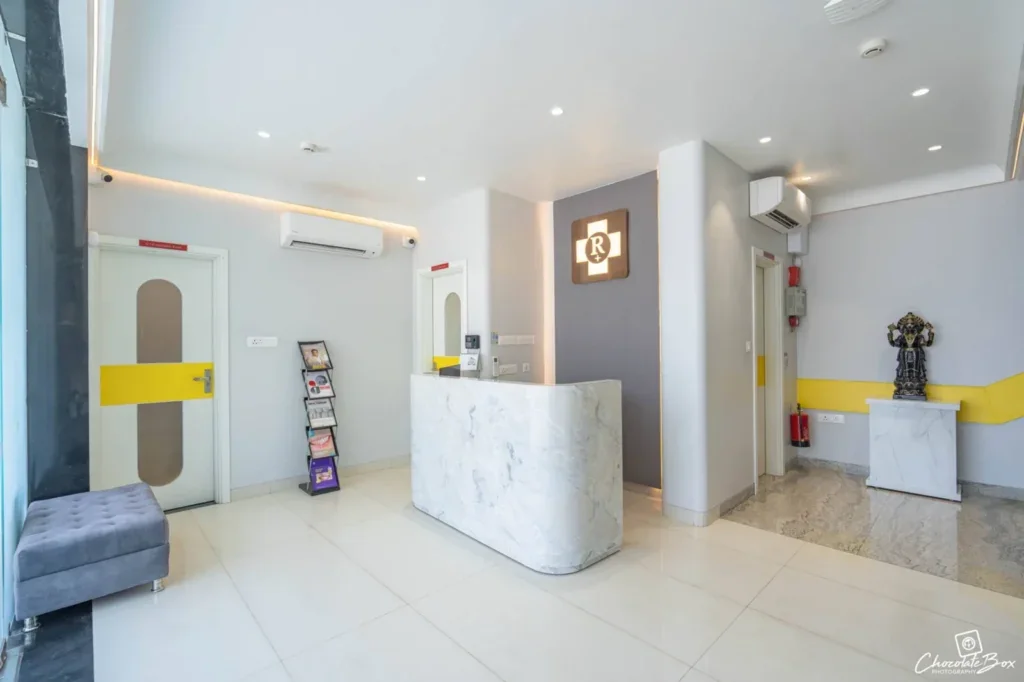
The treating centres are in Kandivali East, Mumbai, and Shastri Nagar, Jaipur. Your preference may depend on family, onward travel and where the right clinical team is available. Confirm the appointment location before reserving accommodation. Include the time needed for local travel and practical arrangements if the treatment day has more than one stage.
Budget for the treatment and the trip
Set aside separate lines for clinical fees, flights, accommodation, food, transfers and any further appointments. Discuss the currency used in your estimate and what your bank or payment provider may charge. If insurance is relevant, ask the provider for the exact documents they need before you decide what expenses to include.
Before you fly home
Request your written instructions, a treatment summary and the schedule of reviews. Ask who to contact if something changes after return. Royal Patient Services is available on WhatsApp. If you want your local dentist to be involved, agree which records to share and how they can contact the team with your permission.
Write the trip plan in an order you can check
Start with a row for each confirmed or expected appointment. Beside it, write what the team plans to do, who needs to attend and whether the date can move. Then add arrival, transfers, accommodation and departure around those rows. Separate steps that require your physical presence from those that may happen online. If a later visit is likely, record its expected purpose rather than picking dates prematurely. Bring this working itinerary to the coordinator so both teams can review the same sequence.
Illustrative case study
Planning appointments around a family visit
Someone staying with family has a fixed onward travel date. Sharing those dates early helps the team identify which appointments can be planned, where they take place and which dates should stay flexible.
Questions about planning travel
How many days should I book?
Ask for your assessment, treatment and pre-departure review dates. The length of the visit depends on those steps.
Can you help if I already have flights?
Share your dates so the clinician can discuss what is feasible and whether a staged approach makes sense.
Can I get a treatment plan before travelling?
You can begin with available records and an online assessment. A final plan depends on an in-person examination and any necessary imaging.
How many days should I plan in India?
A three-to-seven-day stay is common as an initial planning range, but case complexity, staged treatment and recovery may require more time or another visit.
Can fixed teeth be provided in one day?
Some suitable implant cases may receive fixed teeth on or soon after placement. Eligibility and whether the teeth are provisional or final must be confirmed clinically.
Will I receive a written cost estimate?
Request an itemised estimate stating the treatment units, restorations, materials, visits, inclusions and exclusions. Any change after examination should be explained.
How is follow-up handled after returning home?
Royal Patient Services coordinates communication and scheduled reviews; urgent problems or findings needing examination require a local dentist or emergency service.
Explore related pages and guides
Know more
01. What should I share before a clinical review?
For plan your dental trip to india, a useful starting point is “build your trip around the treatment you need”. Share your earliest arrival and latest departure. Agree which. Describe your main concern, prior dental treatment, symptoms and the outcome you hope for. Attach readable radiographs or CBCT reports when available, current prescriptions and an overseas treatment plan if you have one. State whether any tooth is painful, loose or infected. A remote conversation can identify likely options but cannot replace examination, periodontal assessment, occlusal evaluation or imaging where necessary. Never delay urgent local dental care while waiting for travel arrangements. The main benefit of planning care before leaving home is understanding the clinically appropriate options and the decisions that must wait for examination. For this particular topic, the first priority is understanding the clinical problem rather than choosing a named procedure from an advertisement.
02. How is suitability decided rather than assumed?
For plan your dental trip to india, a useful starting point is “start with your records and travel window”. Send your main concern, country of residence, preferred city if known. The clinician considers your oral examination, radiographic findings, periodontal support, remaining teeth, medical history, functional bite and realistic follow-up access. A procedure that is technically possible may still be unsuitable if it adds avoidable risk or cannot be maintained. You should receive reasons for the proposed option, alternatives including doing less treatment, and circumstances that would change the decision. A provisional assessment made from photographs or reports must be confirmed after arrival. Royal Dental care is coordinated in Mumbai and Jaipur, with a written itemised plan and follow-up arrangements after travel. Ask the clinician which investigation supports the decision and whether the decision would change if the findings differ on examination.
03. Which treatments may require more than one stage?
For plan your dental trip to india, a useful starting point is “receive the written plan and estimate”. Royal Dental provides one written treatment plan with an itemised estimate. Root canal therapy, treatment of active disease, implant integration, complex bite rehabilitation and laboratory restorations may require staged appointments. Even when a same-day fixed restoration is possible, it may be provisional rather than the definitive restoration. Surgery, healing and prosthetic loading are separate clinical decisions. Ask for an appointment-by-appointment sequence and a contingency schedule in case additional treatment, adjustments or recovery time becomes necessary. The main benefit of planning care before leaving home is understanding the clinically appropriate options and the decisions that must wait for examination. Patients travelling internationally should distinguish an indicative remote discussion from a final diagnosis made in the clinic.
04. How do I interpret the written estimate?
For plan your dental trip to india, a useful starting point is “arrival assessment treatment and departure”. Before departure · Share available records and ask which dates the. Compare the exact units and inclusions, not only a headline price. An estimate should identify the proposed teeth or arches, restorations and materials, imaging, surgical and laboratory stages, review appointments, and any additional procedures that are excluded. International visitors should add flights, accommodation, companion expenses, prescriptions, local transport and possible extra nights. Currency conversions are indicative and should be dated; final fees may change after an in-person assessment or consented treatment-plan revision. Royal Dental care is coordinated in Mumbai and Jaipur, with a written itemised plan and follow-up arrangements after travel. A shorter appointment schedule is beneficial only when it does not compromise treatment selection, laboratory fit or postoperative review.
05. How much time should I reserve in India?
For plan your dental trip to india, a useful starting point is “visa information and clinic letters”. Check the official Indian visa portal or the relevant Indian mission for the. Many international patients plan approximately three to seven days for an initial visit, but this is a planning range rather than a guarantee. The correct duration depends on examination findings, number of stages, surgical complexity, adjustment needs, recovery and the clinician’s clearance for onward travel. Build flexibility into accommodation and flights. Do not schedule a flight immediately after a major procedure without obtaining procedure-specific advice. Some cases need a later return visit or work by a dentist at home. The main benefit of planning care before leaving home is understanding the clinically appropriate options and the decisions that must wait for examination. Budget comparisons should use the same treatment units, materials and stages; otherwise two quotations may not describe comparable care.
06. What if the proposed plan changes when I arrive?
For plan your dental trip to india, a useful starting point is “stay transport and food preferences”. The hospitality guide can discuss transport, accommodation and food. The treating dentist must re-examine you and may request fresh imaging or diagnostic records. Unexpected decay, periodontal instability, infection, bite findings, implant stability or changes in health can change the treatment choice, schedule or cost. Ask the clinician to explain the new findings, alternative options, revised estimate and impact on travel before consenting. The appropriate response to an unexpected finding is a documented shared decision, not a promise to fit everything into the original booking. Royal Dental care is coordinated in Mumbai and Jaipur, with a written itemised plan and follow-up arrangements after travel. A revised plan should be explained before further treatment and the patient should have time to consider its implications.
07. What precautions matter before surgery or sedation?
For plan your dental trip to india, a useful starting point is “choose mumbai or jaipur around the plan”. The treating centres are in Kandivali East, Mumbai, and Shastri Nagar. Disclose significant medical conditions, allergies, all medicines, anticoagulants, diabetes control and previous anaesthesia problems. The anaesthesia approach, fasting instructions, medication adjustments and need for a companion must be individually prescribed by the clinical team. Do not stop prescribed medicines on your own. Where procedures require a day-care or operating-theatre setting, confirm the site, expected recovery and discharge criteria. If new fever, swelling or acute illness develops before travel, seek local medical advice and notify the coordinator. The main benefit of planning care before leaving home is understanding the clinically appropriate options and the decisions that must wait for examination. Medical fitness and the proposed setting depend on the individual, especially when sedation or complex surgery is discussed.
08. What happens if I have discomfort during recovery?
For plan your dental trip to india, a useful starting point is “budget for the treatment and the trip”. Set aside separate lines for clinical fees, flights, accommodation, food. Mild post-treatment soreness or sensitivity can occur, but the team should give specific written guidance for your procedure. Increasing facial swelling, fever, uncontrolled bleeding, difficulty breathing or swallowing, or severe pain requires urgent in-person assessment rather than waiting for a WhatsApp reply. Keep emergency contacts and know where to obtain local care. When you return home, remote advice can assist with triage and interpretation but cannot replace an examination or radiograph if a complication is suspected. Royal Dental care is coordinated in Mumbai and Jaipur, with a written itemised plan and follow-up arrangements after travel. Be clear about symptoms that would justify an urgent local assessment and keep a local emergency option in mind.
09. How are my natural teeth and long-term bite protected?
For plan your dental trip to india, a useful starting point is “before you fly home”. Request your written instructions, a treatment summary and the schedule of reviews. Ask who. An ethical plan starts by assessing which teeth can be retained predictably. The clinician weighs restorability, periodontal support, endodontic needs and the importance of each tooth in the overall bite. Saving a tooth is preferable where it offers a reasonable prognosis, but keeping an unmaintainable tooth is not always safer. For major rehabilitation, ask how the restoration will be checked for chewing comfort, cleaning access, occlusal forces and the effect on opposing teeth. The main benefit of planning care before leaving home is understanding the clinically appropriate options and the decisions that must wait for examination. The maintenance burden of a restoration should be understandable and realistic for the patient’s daily routine.
10. What records should I take home?
For plan your dental trip to india, a useful starting point is “write the trip plan in an order you can check”. Start with a row for each confirmed or expected appointment. Beside. Request a copy of the agreed treatment plan, itemised invoice, relevant radiographs and scans, restoration or implant details where applicable, prescriptions, post-operative instructions and follow-up dates. Document any precautions, diet changes, hygiene technique and expected review intervals. Your own dentist may need these records to assess a future concern. Use secure channels for sharing clinical material, and ask the team whom to contact if a local clinician recommends changing or removing a restoration. Royal Dental care is coordinated in Mumbai and Jaipur, with a written itemised plan and follow-up arrangements after travel. Written documentation is particularly valuable when different dentists will contribute to your long-term follow-up.
11. How does follow-up work after I leave India?
For plan your dental trip to india, a useful starting point is “start planning your dental visit”. Share the country you are travelling from and your likely dates. Tell us whether. Royal Patient Services can coordinate WhatsApp communication and scheduled review discussions after you return. Reviews are commonly planned around one week, one month, three months and six months, adjusted to the procedure and clinician’s advice. Some checks require an in-person dentist because clinical probing, imaging, occlusal adjustment or treatment cannot be done remotely. Ask who makes the decision when an issue needs urgent review, and plan annual or additional visits when advised. The main benefit of planning care before leaving home is understanding the clinically appropriate options and the decisions that must wait for examination. Remote follow-up is a communication channel, not a substitute for urgent hands-on care when symptoms require examination.
12. What questions should I ask before confirming travel?
For plan your dental trip to india, a useful starting point is “build your trip around the treatment you need”. Share your earliest arrival and latest departure. Agree which. Confirm the treating city and clinician, exact procedure and its alternatives, what may be temporary versus definitive, number of appointments, recommended stay, total estimated fees, what is excluded, expected recovery and the arrangements for complications. Ask whether your case could require a staged approach, what deposits or cancellation terms apply and what happens if the initial examination changes the plan. Keep copies of the answers in writing, rather than relying on verbal assurances. Royal Dental care is coordinated in Mumbai and Jaipur, with a written itemised plan and follow-up arrangements after travel. The final choice should be driven by clinical evidence, personal priorities and informed consent rather than an advertised completion date.